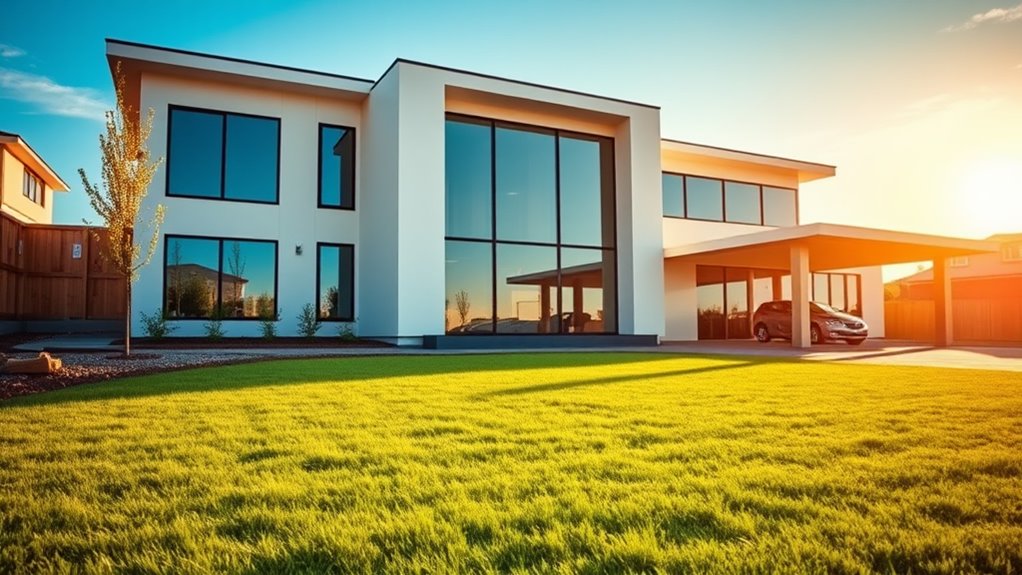
Purchasing a new construction home offers several advantages, such as modern amenities, high energy efficiency, and customization options. Homeowners benefit from warranties and lower maintenance demands. Nevertheless, potential drawbacks include construction delays, unforeseen repairs, and neighborhood considerations that can affect resale value. Moreover, buyers must be aware of hidden costs that may inflate their budget. For a deeper comprehension of the benefits and challenges, one can explore further insights on this topic. Effective real estate expense planning is crucial to managing the hidden costs associated with purchasing a new construction home, such as upgrades, landscaping, and homeowners association fees. Buyers should carefully review contracts and work with experienced professionals to ensure they stay within their budget. Proper planning can help mitigate financial surprises and enhance the long-term value of the investment.
Modern Amenities and Features
Many new construction homes come equipped with modern amenities and features that cater to various lifestyles and preferences. They offer a high level of customization, allowing buyers to tailor their living space to their specific needs. Modern design trends are incorporated into these homes, featuring open floor plans and sleek lines. Luxury finishes, such as granite countertops and hardwood floors, are likewise commonly included. These upscale features provide a sense of sophistication and refinement. Buyers who value control over their environment appreciate the ability to select finishes and design elements that reflect their personal style. With new construction homes, individuals can create a living space that meets their unique requirements and preferences, providing a sense of autonomy and satisfaction. This level of control is a major draw for those seeking a personalized living experience.
Energy Efficiency and Cost Savings
When buying a new construction home, energy costs are a significant consideration, as they can greatly impact monthly expenses. New construction homes often incorporate green features that reduce energy consumption, such as solar panels and high-efficiency appliances. These features not just minimize environmental impact but additionally provide long-term cost savings for homeowners.
Energy Costs
Several factors contribute to the energy costs of a new construction home, and energy efficiency plays a crucial role in reducing these expenses. Energy consumption is a significant aspect to take into account, as it directly affects utility savings. New construction homes are designed to minimize energy consumption, resulting in lower utility bills. By investing in energy-efficient features, homeowners can maximize their utility savings and reduce their environmental impact. This enables them to have greater control over their energy costs and make informed decisions about their energy consumption, eventually leading to significant long-term savings. Energy efficiency is key.
Green Features
Because of new construction homes being designed with energy efficiency in mind, they often incorporate various green features that contribute to reduced energy consumption and lower utility bills. These homes utilize sustainable materials and eco-friendly designs to minimize environmental impact. By incorporating features such as solar panels and energy-efficient appliances, homeowners can exert control over their energy usage. This not only reduces their carbon footprint but additionally leads to significant cost savings. With new construction homes, individuals can make informed decisions about their energy consumption, in the end taking charge of their environmental sustainability and financial expenses.
Warranty and Maintenance Benefits
When purchasing a new construction home, buyers can expect to receive warranty coverage that protects their investment. This coverage typically includes repairs and replacements for defective materials and workmanship, providing homeowners with peace of mind. The low maintenance requirements of new construction homes likewise offer significant benefits, as they often feature modern systems and materials that are designed to last longer and require less upkeep.
Warranty Coverage
Warranty coverage for new construction homes provides vital protection and peace of mind for homeowners. Grasping warranty specifics is fundamental, as these agreements can vary greatly among builders. Typically, warranties cover structural issues, plumbing, and electrical systems, but homeowners should be aware of coverage limitations, such as exclusions for natural wear and tear.
| Warranty Aspect | Details |
|---|---|
| Structural Coverage | Typically 10 years |
| Systems Coverage | Usually 1-2 years |
| Maintenance Requirements | Varies by builder |
| Transferability | Often transferable to new owners |
| Exclusions | Wear and tear, natural disasters |
A thorough comprehension of these elements allows homeowners to navigate their rights effectively, ensuring they maintain control over their investment.
Low Maintenance
A new construction home often offers low maintenance benefits, making it an appealing choice for many buyers. With modern materials and building techniques, these homes typically require less upkeep than older properties. The warranty coverage often included with new construction can alleviate concerns about unexpected repairs, providing a clear outline of maintenance expectations. Buyers can engage in a cost comparison between potential repair costs of older homes and the minimal maintenance needs of a new build. This assurance allows homeowners to focus on enjoying their space rather than worrying about immediate repairs. Ultimately, the low maintenance aspect of new construction not just improves the living experience but also supports long-term financial planning.
Customization and Personalization Options
Although many buyers envision their dream home, customization and personalization options in new construction can turn that vision into reality. Homebuyers often seek control over their living space, allowing them to make meaningful design choices that reflect their unique personal preferences. This flexibility is one of the primary advantages of purchasing a new construction home.
Key customization opportunities typically include:
- Floor Plans: Buyers can choose layouts that optimize space and functionality.
- Finishes: Options for countertops, flooring, and fixtures allow for personal style expression.
- Energy Efficiency: Selecting eco-friendly materials and appliances aligns with sustainability goals.
These choices empower buyers to create a home that meets their needs and resonates with their lifestyle and tastes. Such control can greatly improve the satisfaction and emotional connection to the new space, making it truly feel like home.
Healthier Living Environment
In addition to personalization, new construction homes often prioritize creating a healthier living environment. These homes typically utilize sustainable materials that not only diminish environmental impact but likewise contribute to improved indoor air quality. Homeowners can have greater control over the types of materials used in their homes, opting for non-toxic paints, low-VOC flooring, and eco-friendly insulation.
Moreover, new construction often incorporates advanced ventilation systems aimed to improve healthy air circulation, minimizing allergens and pollutants. This focus on health extends to the overall design, with layouts that maximize natural light and promote a sense of well-being.
For those seeking a home that supports a balanced lifestyle, new construction offers an opportunity to establish a space that is both environmentally conscious and beneficial to health. By carefully selecting features that prioritize healthy air and sustainable materials, homeowners can create a sanctuary that aligns with their values and desires for control.
Advanced Technology and Smart Home Features
New construction homes often incorporate advanced technology and smart home features that improve modern living. These innovations include smart devices that promote energy efficiency and home automation, allowing homeowners to control various functions with ease. As a result, buyers can enjoy increased convenience and reduced utility costs in their new homes.
Smart Devices
As technology continues to evolve, the integration of smart devices in new construction homes has become increasingly prevalent. These advanced features not only improve convenience but likewise provide homeowners with greater control over their living environments.
Key benefits of smart technology include:
- Home Security: Smart locks and surveillance systems allow for real-time monitoring and remote access, ensuring peace of mind.
- Automation: Home automation systems enable users to manage lighting, heating, and appliances from their smartphones, improving comfort and efficiency.
- Voice Control: Integration with voice-activated assistants simplifies everyday tasks, making home management intuitive.
Ultimately, the incorporation of smart devices empowers homeowners, allowing them to tailor their living spaces to their specific needs and preferences, especially regarding security and convenience.
Energy Efficiency
Energy efficiency stands as a cornerstone in modern new construction homes, driven by advanced technology and smart home features. Builders are increasingly incorporating energy efficient materials, such as high-performance insulation and energy-efficient windows, to minimize energy loss. These materials not only improve the home's thermal performance but also support sustainable practices that reduce the overall environmental impact. Homeowners benefit from lower utility bills and increased comfort levels throughout the year. Furthermore, many new construction homes are designed to accommodate renewable energy sources, such as solar panels, further promoting energy independence. By investing in these features, buyers gain greater control over their energy consumption, making new construction homes an attractive choice for those prioritizing efficiency and sustainability in their living environments.
Home Automation
Even though many homebuyers seek comfort and efficiency, the integration of home automation systems in new construction homes offers an added layer of convenience and security. These advanced technologies empower homeowners with control over their living environment, improving both safety and energy management.
- Home Security: Smart locks and surveillance cameras provide real-time monitoring and remote access.
- Automated Lighting: Schedule and control lighting from anywhere, ensuring ideal energy use and ambiance.
- Climate Control: Smart thermostats adjust temperatures based on preferences, saving energy and costs.
The ability to manage these features remotely not just improves daily comfort but also promotes a sense of security, making new construction homes increasingly appealing to discerning buyers seeking modern living solutions.
Resale Value and Appreciation
Resale value and appreciation are critical factors for homebuyers considering new construction properties. Buyers often seek control over their investment, aiming for long-term gains. Comprehending market trends can empower them to make informed decisions, but new constructions may face resale challenges.
| Factors Impacting Resale Value | Market Trends | Resale Challenges |
|---|---|---|
| Location | Growing demand in suburban areas | Limited buyer pool initially |
| Home Features | Energy efficiency preference | Oversupply in certain markets |
| Neighborhood Development | Planned amenities increase appeal | Potential for rapid depreciation |
Investors in new construction homes should monitor these elements closely. Although they may offer modern amenities and customization, the potential for appreciation can vary considerably based on external factors. By staying informed, buyers can better navigate the intricacies of resale value, ensuring their investment aligns with market dynamics.
Potential Drawbacks and Disadvantages
When considering new construction homes, buyers may encounter several potential drawbacks and disadvantages that could impact their overall satisfaction and investment. Comprehending these issues is vital for making informed decisions.
- Hidden Costs: Buyers often overlook additional expenses such as landscaping, window treatments, and upgrades, which can greatly inflate the initial budget.
- Unexpected Repairs: Although new homes are typically less prone to issues, unforeseen repairs may arise as a result of construction defects or substandard materials, leading to unexpected financial burdens.
- Limited Customization: Many new builds come with predetermined layouts and finishes, restricting buyers' ability to personalize their space to their liking.
Awareness of these drawbacks allows potential homeowners to approach their purchase with a realistic mindset, ensuring they are prepared for both the financial commitments and the responsibilities associated with new construction properties.
Construction Delays and Timing Issues
Timeliness is an vital factor in the construction of new homes, as delays can greatly disrupt buyers' plans and expectations. When individuals invest in new construction, they typically rely on established construction timelines that outline when their homes will be completed. Nonetheless, unforeseen circumstances—such as supply chain issues, labor shortages, or adverse weather—can lead to significant delays.
Effective project management is important in mitigating these timing issues. Builders who employ robust project management strategies can better communicate with buyers about potential setbacks and provide realistic updates. Buyers often desire a sense of control; thus, comprehending the intricacies of the construction process can empower them to make informed decisions. In the end, although purchasing a new construction home offers many advantages, the risk of delays necessitates careful consideration and proactive communication to align expectations with reality.
Community and Neighborhood Considerations
Though the allure of a new construction home often centers on modern amenities and customized features, the surrounding community and neighborhood play a crucial role in the overall living experience. Homebuyers should consider several key factors to guarantee they make an informed decision.
- Community Amenities: Evaluate the availability of parks, recreational facilities, and shopping centers that improve daily life.
- Neighborhood Dynamics: Understand the demographics and culture of the area, as this influences social interactions and community involvement.
- Future Developments: Research any planned projects that could impact property values and the overall environment, such as new schools or commercial complexes.
Frequently Asked Questions
What Financing Options Are Available for New Construction Homes?
In a world where options abound, one might expect financing for new construction homes to be straightforward. Ironically, the environment is quite the opposite. Homebuyers can explore construction loans, designed particularly for building projects, or turn to traditional mortgage options once the home is complete. Each choice offers varying degrees of flexibility and control, enabling buyers to tailor their financial experience as they traverse the intricacies of new home financing.
How Do Property Taxes Compare Between New and Existing Homes?
Property taxes can differ considerably between new and existing homes, largely because of property tax assessments. New homes may qualify for specific exemptions, potentially lowering their initial tax burden. Nevertheless, as the property value increases, the assessments can rise, leading to higher taxes over time. Existing homes, conversely, might not see such drastic changes in assessment. Comprehending these dynamics allows buyers to strategize effectively regarding their long-term financial obligations.
Are There Any Special Inspections Required for New Construction?
In new construction, specific inspections are typically mandated to guarantee compliance with building codes and safety standards. These inspections may include structural, electrical, plumbing, and HVAC assessments. Furthermore, having a detailed inspection can provide clarity on warranty coverage, which may protect against future defects. Homebuyers seeking control over their investment should prioritize these inspections, as they help identify any potential issues early in the construction process, securing a safer, more reliable home.
What Is the Typical Timeline for the Entire Buying Process?
As the clock ticks, potential buyers often ponder the intricacies of the buying process. Typically, the construction timeline unfolds over several months, beginning with site preparation. Once foundations are laid, the purchasing expedition includes negotiations, inspections, and financing. Each stage is essential, demanding attention to detail and patience. Ultimately, the entire buying process from initial interest to final closing can span anywhere from six months to over a year, ensuring that every aspect is carefully addressed.
How Can I Find Reputable Builders in My Area?
To find reputable builders in the area, one can start by researching builder reviews on various online platforms, which provide insights into past projects and client satisfaction. Furthermore, seeking local recommendations from friends, family, or real estate professionals can yield valuable information about trustworthy builders. By combining these methods, individuals can gain a thorough grasp of the builders' reputations, allowing them to make informed decisions when selecting a construction partner.