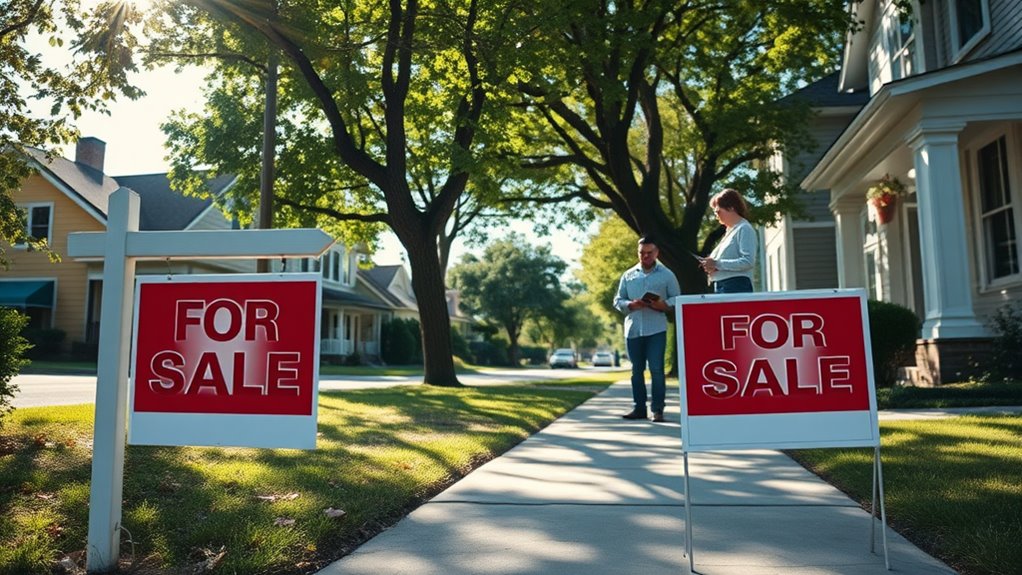
Successfully buying a foreclosed home requires a solid comprehension of the foreclosure process and local laws. Conduct thorough market research to identify property values and neighborhood trends. Inspect potential properties carefully to assess their condition. Additionally, explore various financing options and obtain pre-approval from lenders. Utilize effective bidding strategies during the auction process. After securing a purchase, plan for potential renovations and upkeep. More insights on traversing this complex process are available for those interested.
Understanding Foreclosure Basics
Though many prospective buyers may find the concept of foreclosure intimidating, comprehending the basics is vital for making informed decisions. The foreclosure process begins when a homeowner fails to make mortgage payments, prompting the lender to initiate legal action. This leads to a property auction, where the home is sold to the highest bidder, often at a markedly reduced price.
Understanding this process allows buyers to navigate potential pitfalls and seize opportunities. Buyers should familiarize themselves with the specific timelines and legal requirements in their jurisdiction, as they can vary widely. Furthermore, researching the condition of the property before the auction is imperative, as foreclosed homes are typically sold "as is."
Researching the Local Housing Market
How can prospective buyers guarantee they make a wise investment when purchasing a foreclosed home? The answer lies in careful research of the local housing market. Comprehending market trends is essential; buyers should analyze historical data to identify patterns in property values. Tracking fluctuations in nearby home prices can provide insights into the neighborhood's stability and potential for appreciation.
Buyers should also examine the inventory of foreclosures in the area, in addition to the average time properties spend on the market. This information can reveal whether the market favors buyers or sellers, influencing negotiation strategies. Furthermore, consulting local real estate professionals can offer valuable perspectives on market conditions.
Finding Foreclosed Properties
Finding foreclosed properties requires a strategic approach that includes utilizing online real estate listings, attending local auctions, and networking with real estate agents. These avenues can provide valuable information about available properties and potential deals. By exploring these options, buyers can increase their chances of locating suitable foreclosures in their desired area.
Online Real Estate Listings
Where can aspiring homeowners discover hidden gems among foreclosed properties? The answer lies in online property searches and digital listing platforms. These resources provide extensive databases of foreclosures, allowing buyers to filter properties by price, location, and condition. Utilizing these tools empowers prospective homeowners to gain control over their search process.
| Platform | Features |
|---|---|
| Zillow | User-friendly interface, filters |
| Realtor.com | Detailed property information |
| Foreclosure.com | Specialized in foreclosures |
| Auction.com | Auction listings and alerts |
Local Auctions and Sales
Local auctions and sales present a unique opportunity for buyers seeking foreclosed properties, often featuring homes at considerably reduced prices. Engaging in these auction processes requires thorough preparation and strategic planning to maximize potential gains. Buyers should consider the following steps:
- Research Local Auctions: Identify upcoming auctions through county websites or local real estate publications.
- Conduct Property Valuation: Assess the market value of properties to guarantee competitive bidding and avoid overextending financially.
- Set a Budget: Establish a clear budget that includes potential renovation costs to maintain financial control throughout the process.
Networking With Real Estate Agents
Establishing connections with real estate agents can greatly improve the search for foreclosed properties. Agents possess insider knowledge and can provide valuable agent referrals, streamlining the process for buyers. By attending networking events, individuals can meet industry professionals who specialize in foreclosures. These events serve as platforms to cultivate relationships and gain insights about upcoming listings. Engaging with agents allows buyers to access properties before they hit the market, enhancing their chances of securing a desirable deal. Additionally, agents can offer guidance on local trends, financing options, and negotiation strategies. In the end, effective networking equips buyers with crucial resources, empowering them to navigate the foreclosed property environment with confidence and control.
Financing Your Purchase
Although purchasing a foreclosed home can offer significant savings, securing the right financing is fundamental to a successful transaction. Buyers must explore various mortgage options to guarantee they choose the most suitable one for their financial situation. Comprehending their budget is equally important, as it can prevent overspending and facilitate a smoother purchasing process. Here are three budgeting tips to take into account:
- Determine Your Maximum Budget: Assess your finances to establish a clear limit on what you can afford, including additional costs like repairs and closing fees.
- Research Loan Types: Different mortgage options, such as FHA loans or conventional mortgages, may cater to varied needs, so it's necessary to compare terms and interest rates.
- Get Pre-Approved: Securing pre-approval from lenders streamlines the buying process and demonstrates to sellers that the buyer is serious and financially prepared.
Inspecting the Property
Inspecting the property is a critical step in the process of buying a foreclosed home. Buyers must approach this stage with a careful mindset, as it allows them to evaluate the true property condition. Without thoughtful assessment, unexpected repair costs can derail a budget. Utilizing an inspection checklist is vital; it guarantees no detail is overlooked. Key areas to focus on include the foundation, roof, plumbing, and electrical systems.
Moreover, buyers should assess any potential environmental hazards, such as mold or pests, which can greatly impact future living conditions and expenses. Engaging a professional inspector can provide an unbiased evaluation, revealing issues not immediately visible. Through this thorough examination, buyers gain valuable insights that empower them to make informed decisions and negotiate effectively. In the end, a detailed inspection not only safeguards against unforeseen challenges but likewise boosts the buyer's confidence in their investment.
Bidding Strategies and Negotiation
Maneuvering the bidding process for a foreclosed home requires strategic planning and sharp negotiation skills. Successful buyers employ effective bidding tactics and negotiation techniques to gain an advantage. Here are three crucial strategies:
- Research Comparable Sales: Comprehending the market value of similar properties provides leverage when determining your bidding limit.
- Set a Maximum Bid: Establishing a firm budget beforehand helps maintain control during the emotional bidding process, preventing overextension.
- Be Prepared to Walk Away: Demonstrating a willingness to withdraw if the bidding exceeds your threshold reinforces your position and may lead to better offers.
Closing the Deal and Moving In
Securing a foreclosed home is just the beginning; the next step involves navigating through the closing process and preparing for the move. Buyers must carefully calculate closing costs, which can include various fees such as appraisal, title insurance, and mortgage origination. Comprehending these expenses empowers buyers to negotiate better terms and avoid surprises on closing day.
Once the financial details are settled, attention turns to moving logistics. This phase requires strategic planning, including scheduling movers, organizing packing, and updating addresses. A well-structured timeline is essential to guarantee a smooth shift. Buyers should also consider any immediate repairs or renovations, allowing for a seamless move-in experience.
Frequently Asked Questions
Can I Buy a Foreclosed Home as an Investment Property?
The question of purchasing a foreclosed home as an investment property often arises among savvy investors. Many view foreclosures as viable investment strategies owing to their potential for significant returns. These properties typically require renovation, but their lower acquisition costs can improve rental potential. By conducting thorough market research and property assessments, investors can gain control over their investment outcomes, transforming foreclosures into lucrative rental opportunities in a competitive real estate environment.
What Are the Tax Implications of Buying a Foreclosure?
The tax implications of buying a foreclosure can be significant. Investors often benefit from tax deductions related to mortgage interest and certain property improvements. Nevertheless, property taxes may likewise increase based on the home's assessed value post-purchase. Comprehending these factors is essential for maximizing financial control. By evaluating potential tax deductions against property tax liabilities, an informed buyer can make strategic decisions that improve their investment's profitability in the long term.
How Does Buying a Foreclosure Affect My Credit Score?
Research indicates that nearly 60% of individuals experience a decline in their credit scores after a foreclosure. When a foreclosure occurs, it greatly impacts the credit report, often resulting in a drop of 100 points or more. This decline can limit future borrowing options and increase interest rates on loans. Nevertheless, with diligent financial management post-purchase, individuals can gradually rebuild their credit, regaining control and improving their financial standing over time.
Are There Hidden Costs in Purchasing a Foreclosed Home?
When considering the purchase of a foreclosed home, potential buyers should be aware of hidden costs that may arise. These may include hidden fees associated with financing and closing, which can greatly impact the overall budget. Furthermore, renovation costs are often underestimated; many foreclosures require extensive repairs. By thoroughly evaluating these financial aspects, buyers can maintain control over their investment and avoid unexpected financial burdens in the future.
Can I Negotiate Repairs After Buying a Foreclosed Property?
The question of negotiating repairs after purchasing a foreclosed property often arises among buyers. They may seek repair estimates to assess the extent of needed work. Utilizing effective negotiation tactics, buyers can advocate for necessary repairs or financial concessions. By presenting detailed estimates, they can assert control over the situation, ensuring that their investment is safeguarded. In the end, negotiating repairs can lead to a more satisfactory shift into homeownership, even in challenging circumstances.