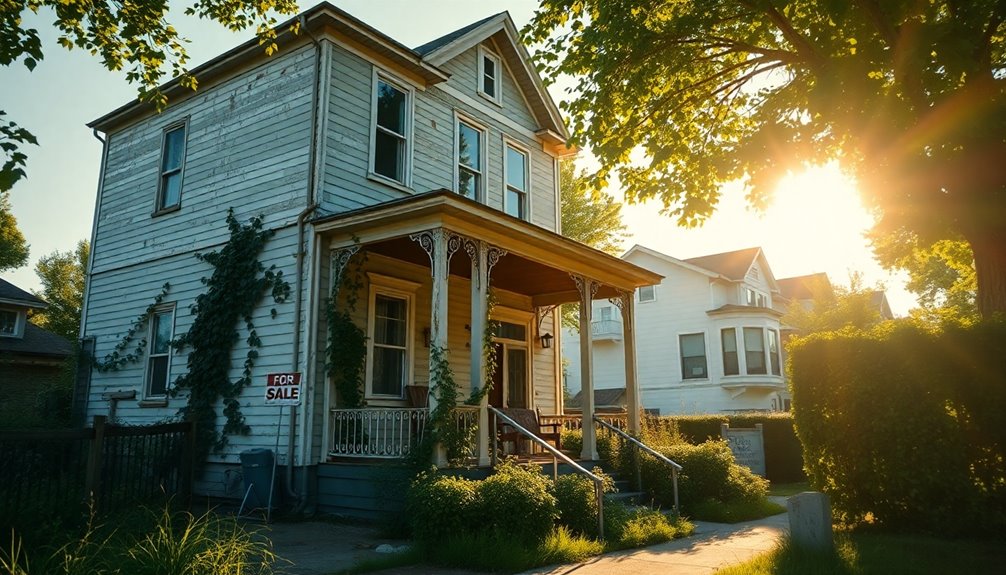
To spot a property with untapped potential, one should analyze market trends and local dynamics. Evaluating the neighborhood's amenities and transportation access is crucial. Appraising the property's condition and identifying necessary renovations can reveal value opportunities. Furthermore, looking for unique features or expansion possibilities improves attractiveness. Paying attention to rental demand and community growth signals further potential. There are more insights and strategies to uncover hidden property gems ahead.
Article Highlights
- Analyze neighborhood trends for rising demand and urban development, indicating potential property growth.
- Evaluate the property's condition for renovation opportunities that can enhance value and appeal.
- Identify proximity to community amenities like schools and parks, which attract renters and increase property desirability.
- Monitor local vacancy rates and employment statistics to gauge market competitiveness and economic stability.
- Envision strategic improvements that align with modern demands and eco-friendly features for higher returns on investment.
Understanding Market Trends
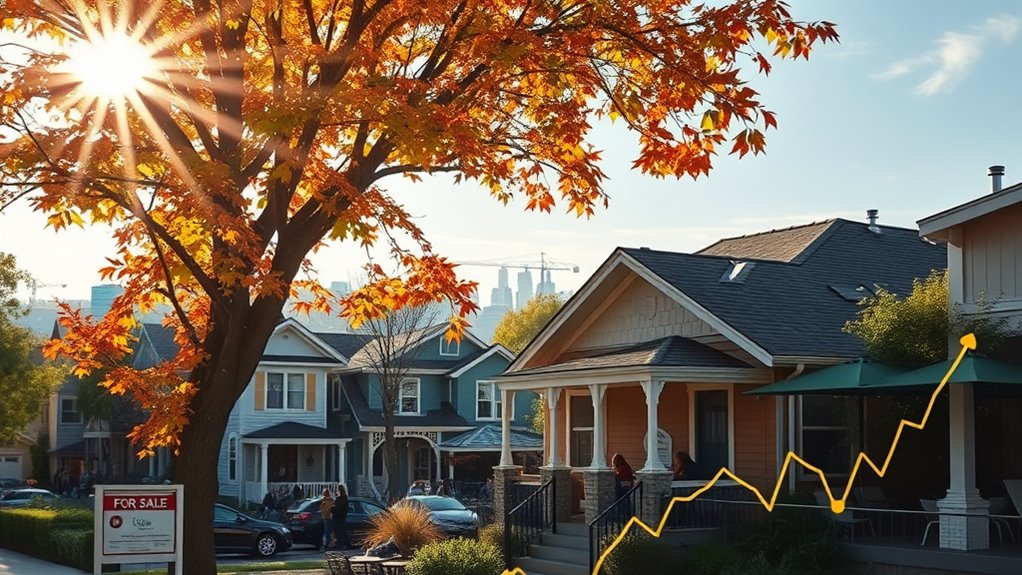
When investors want to find properties with untapped potential, comprehending market trends is crucial. They need to analyze market indicators, such as property prices, rental rates, and vacancy rates, to identify the best opportunities. Grasping these indicators helps investors predict investment cycles, which can lead to strategic buying decisions. For instance, a rising demand in a neighborhood might indicate a shift in the market, signaling potential growth. Conversely, if vacancy rates are increasing, it could suggest an upcoming downturn. By closely monitoring these trends, investors can better position themselves to capitalize on properties that may not yet have reached their full value. In the end, a sharp awareness of market dynamics can greatly improve an investor's chances of success.
Evaluating Location and Neighborhood
Comprehending market trends lays the groundwork for evaluating location and neighborhood. A property's potential is often tied to its community dynamics, which influence desirability and value. Neighborhoods experiencing considerable urban development typically attract new businesses, amenities, and infrastructure improvements, enhancing livability. Buyers should look for areas where revitalization is underway, as these can lead to increased property values over time. Moreover, analyzing the local population's demographics and lifestyle trends can reveal much about the area's future growth. Factors like schools, parks, and public transport are crucial; they contribute to a sense of community and can greatly impact property desirability. Finally, grasping these elements can help identify properties with untapped potential in promising locations.
Assessing the Property's Condition
Evaluating a property's condition is vital for identifying its potential for improvement and investment. Buyers should start by examining the structural integrity of the building, looking for any signs of damage or deterioration. Cracks in the foundation, sagging roofs, or water damage can indicate significant issues that might require costly repairs. Furthermore, reviewing the property's maintenance history is important; it provides insight into how well the property has been cared for over the years. A lack of regular maintenance can signal potential future problems, whereas a well-documented history may suggest a well-maintained property. By focusing on these aspects, investors can make informed decisions about the property's potential and any necessary upgrades.
Identifying Renovation Opportunities
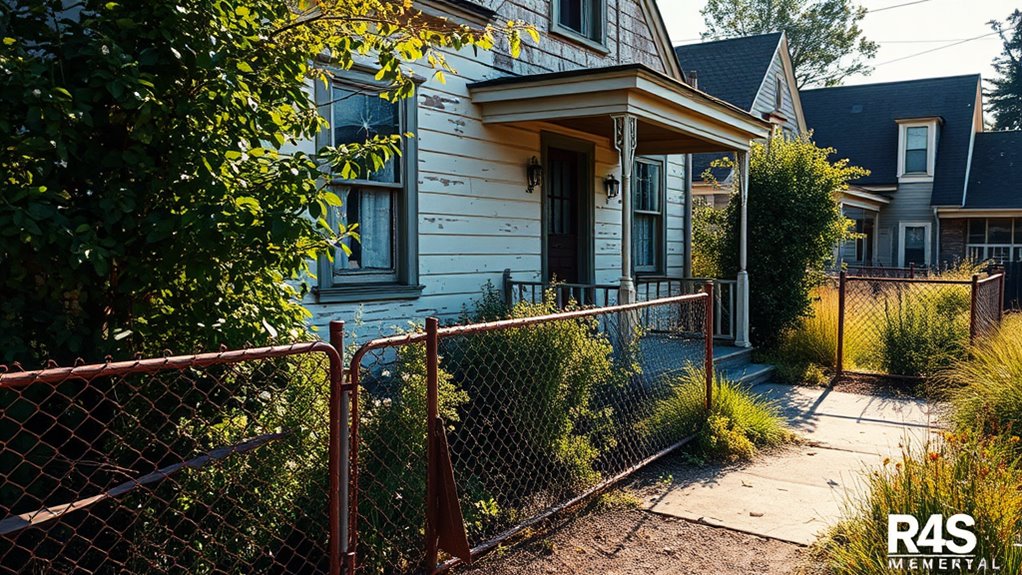
After evaluating the property's condition, the next step is to pinpoint areas ripe for renovation. Homebuyers should consider various renovation styles, from modern updates to classic restorations. It is crucial to align these styles with budget considerations, ensuring that the investment pays off.
| Renovation Style | Budget Consideration |
|---|---|
| Kitchen Remodel | Mid-range to high-end |
| Bathroom Update | Moderate |
| Curb Appeal Boost | Low to moderate |
| Basement Finishing | High-end |
Analyzing Comparable Sales
When looking to uncover a property’s potential, analyzing comparable sales is essential. This process helps investors gauge the market value of a property by comparing it to similar homes in the area that have recently sold. By evaluating these sales, one can identify trends and pricing strategies that can be leveraged for future investments. For instance, if comparable properties have sold markedly higher after renovations, it suggests that improvements could yield substantial returns. Moreover, comprehending the average days on the market for these comps can provide insights into demand and pricing tactics. In the end, analyzing comparable sales equips buyers with the knowledge needed to make informed decisions and maximize the untapped potential of a property. Additionally, understanding comparable sales can be invaluable when handling multiple property offers, as it allows investors to set competitive prices and negotiate effectively. By recognizing how similar homes have performed, buyers and sellers can make strategic decisions that align with market trends. This informed approach ultimately enhances the likelihood of securing profitable deals while minimizing investment risks.
Exploring Zoning and Land Use Regulations
How can zoning and land use regulations influence a property's potential? Comprehending these regulations is vital for identifying untapped opportunities. Zoning dictates how a property can be used, during land use regulations determine what can be developed. Here are four key aspects to contemplate:
- Zoning Classifications: Different classifications can allow for residential, commercial, or mixed-use developments.
- Zoning Variances: These can offer flexibility, enabling property owners to deviate from standard regulations.
- Future Development Plans: Investigating local plans can reveal upcoming changes that might boost property value.
- Restrictions: Comprehending any limitations on land use helps in evaluating the overall potential of a property.
Looking for Unique Features

Unique features can set a property apart and notably improve its appeal. Buyers often look for architectural details that tell a story, such as intricate moldings, unique window designs, or vintage fixtures. These elements add character and can greatly boost a property's value. Moreover, properties with historical charm can attract attention, especially if they showcase a rich background or distinctive style. Features like exposed brick walls, original hardwood floors, or antique fireplaces create an inviting atmosphere and provide a glimpse into the past. When scouting for property potential, it is crucial to recognize these unique aspects, as they can transform a standard listing into a sought-after gem in the real estate market.
Considering Potential for Expansion
Although many properties may seem perfect as they are, the potential for expansion can greatly improve their value and functionality. When evaluating a property's expansion prospects, one should consider several key factors:
- Property Setbacks: Comprehending local zoning laws and property setbacks is essential; these regulations dictate how much space must be left around a structure.
- Land Availability: Analyzing the surrounding land can reveal opportunities for additional structures or landscaping.
- Structural Integrity: Reviewing the existing building's foundation and layout helps determine the feasibility of an expansion.
- Expansion Costs: Estimating potential expenses associated with the expansion is critical, as they can considerably impact overall investment returns.
Investigating Rental Demand
When investigating rental demand, comprehending local market trends is essential for identifying potential investments. Buyers should furthermore consider neighborhood amenities, as they can greatly influence attractiveness to renters. Moreover, evaluating vacancy rates provides insight into how competitive the market is and whether a property can generate steady income.
Analyzing Local Market Trends
Grasping local market trends is crucial for anyone looking to invest in rental properties, as it reveals the underlying demand that can drive profitability. By analyzing market indicators and economic forecasts, investors can gain valuable insights into potential opportunities. Here are four key elements to contemplate:
- Population Growth: A rising population often correlates with increased rental demand.
- Employment Rates: Higher employment rates usually indicate a stable economy, attracting renters.
- Rental Vacancy Rates: Low vacancy rates suggest a strong demand for rental properties.
- Average Rent Prices: Comprehending price trends helps investors gauge potential returns.
Assessing Neighborhood Amenities
Neighborhood amenities play a fundamental role in attracting renters and enhancing property value. Prospective investors should evaluate the availability of community facilities, such as parks, recreational areas, and shopping centers. These elements can greatly influence rental demand, as they contribute to a lively lifestyle. Moreover, access to transportation is essential; properties near public transit options or major roadways often appeal to commuters. Renters value convenience, and neighborhoods with well-connected transport links stand out as desirable locations. Analyzing these aspects not just reveals the property's potential but also helps gauge the overall appeal of the area. By focusing on community amenities and transportation access, investors can make informed decisions that align with market demands.
Evaluating Vacancy Rates
One of the key indicators of a property's potential lies in its vacancy rates. By analyzing these rates, investors can uncover valuable insights into rental demand. Comprehending vacancy trends and tenant demographics helps in making informed decisions. Here are four critical aspects to evaluate:
- Historical Vacancy Rates: Look at trends over time to determine fluctuations in demand.
- Comparable Properties: Analyze similar properties in the area to gauge competitive vacancy rates.
- Tenant Demographics: Grasp the local population's characteristics to predict who will rent.
- Economic Indicators: Factor in job growth and local developments, as these can influence rental demand.
Building a Vision for Improvement
Envisioning a property's future can spark creativity and drive meaningful improvements. When evaluating untapped potential, it's crucial to contemplate creative renovations that can improve both functionality and aesthetics. This involves imagining how spaces can be transformed to meet modern demands during maintaining their charm. For instance, an outdated kitchen might evolve into a sleek, open-concept culinary space, appealing to today's buyers. Identifying future possibilities, such as adding eco-friendly features or reconfiguring layouts, can additionally raise the property's market value. By cultivating a vision that embraces innovation and design, investors can reveal hidden opportunities, ensuring the property stands out in a competitive market. In the end, a clear vision paves the way for strategic improvements that yield impressive returns.
Frequently Asked Questions
How Do I Determine if a Property Is Undervalued?
To determine if a property's undervalued, one should analyze current market trends and conduct thorough property comparisons. By looking at similar properties in the area, it's possible to identify discrepancies in pricing. If a property's price doesn't align with the average for comparable homes, it might indicate undervaluation. Furthermore, considering factors like location, condition, and recent sales can provide deeper insights into its true value, helping to make an informed investment decision.
What Should I Look for in the Neighborhood Demographics?
When evaluating neighborhood demographics, one should consider population growth and income levels. Higher population growth often indicates a thriving area, attracting new businesses and services. Moreover, comprehending income levels helps determine the community's purchasing capacity and economic stability. If a neighborhood shows increasing population trends and rising income levels, it's likely to be a promising environment for property investment, offering potential for appreciation and demand in the future.
Are There Specific Signs of Structural Issues to Watch For?
In regard to evaluating a property, one might say it has a few "character quirks" that deserve attention. Foundation cracks can be a subtle hint of underlying issues, whereas roof leaks might just suggest the home's been through a lot. It's important to examine these signs closely, as they can lead to larger, more costly problems. Ignoring them could turn a charming house into a financial burden before one knows it.
How Can I Estimate Renovation Costs Effectively?
Estimating renovation costs effectively requires a systematic approach. He should start by creating a detailed renovation budgeting plan that outlines all necessary improvements. It's essential to research local material and labor costs to guarantee accuracy in cost estimation. Furthermore, consulting with contractors for quotes can provide insight into potential expenses. Finally, he shouldn't forget to include a contingency fund for unexpected expenses that may arise during the renovation process.
What Role Does Curb Appeal Play in Property Value?
Curb appeal plays a vital role in property value, influencing potential buyers' first impressions. If a property's exterior is well-maintained and aligns with current landscaping trends, it can greatly improve its attractiveness. Regular exterior maintenance, like painting and landscaping, not merely boosts visual appeal but likewise indicates the property's overall condition. By investing in curb appeal, homeowners can raise their property's market value and expedite the selling process.