Technology is fundamentally transforming modern workplaces by integrating digital innovations like AI, automation, and virtual collaboration tools. This shift revolutionizes operations, streamlines tasks, and enhances decision-making processes. Remote work trends are evolving with digital workspace solutions enabling flexibility and global talent access. Augmented Reality and cybersecurity challenges are redefining how work is performed and secured. Agile workspace designs promote adaptability, while employees benefit from upskilling initiatives and data analytics for informed decision-making. The future of work is intricately linked with technology's ability to shape efficient, flexible, and connected modern workplaces.
Digital Transformation in Workplaces
The integration of digital technologies into workplaces is revolutionizing operations and reshaping the way work is conducted in the modern era. Digital transformation encompasses the adoption of various technologies like artificial intelligence, cloud computing, big data analytics, and the Internet of Things (IoT) to enhance productivity, efficiency, and innovation within organizations. One significant aspect of this transformation is the automation of repetitive tasks, allowing employees to focus on more strategic and creative endeavors.
Cloud computing has been instrumental in enabling remote work by providing access to data and applications from anywhere with an internet connection. This flexibility has become increasingly important, especially in the wake of the COVID-19 pandemic, highlighting the necessity of digital tools for business continuity. Furthermore, artificial intelligence is being used to streamline processes, analyze vast amounts of data to gain insights, and even support decision-making.
The Internet of Things (IoT) is connecting devices and systems, creating smart workplaces where data is collected in real-time to optimize operations. This interconnectedness improves communication, efficiency, and monitoring capabilities. Additionally, big data analytics is utilized to extract valuable information from large datasets, enabling organizations to make data-driven decisions.
Impact of Automation on Jobs
Automation’s increasing prevalence in the workplace is reshaping job roles and responsibilities across various industries. As technology advances, tasks that were once performed by humans are now being automated through the use of artificial intelligence, robotics, and other technological solutions. While automation brings increased efficiency and productivity to organizations, it also raises concerns about the impact on jobs and the workforce. This shift necessitates that workers adapt by acquiring new skills to remain relevant in an evolving job market. Additionally, the integration of automation extends beyond workplaces, influencing smart cities and urban technology to enhance transportation, energy management, and public services. As a result, businesses and policymakers must collaborate to ensure a balanced approach that maximizes the benefits of automation while addressing its challenges.
One of the primary effects of automation on jobs is the displacement of certain roles that are routine, repetitive, and easily automated. Jobs in manufacturing, customer service, data entry, and transportation are increasingly being taken over by machines and algorithms. This shift can lead to job loss for individuals in these fields, requiring them to upskill or reskill to remain competitive in the changing job market.
However, automation also creates new job opportunities in areas such as programming, maintenance, and supervision of automated systems. As organizations adopt automation technologies, they require skilled workers who can design, implement, and oversee these systems. This transformation of job roles highlights the importance of continuous learning and adaptation in the workforce to meet the demands of a technology-driven workplace.
Virtual Collaboration Tools
As workplaces evolve with the integration of technology, virtual collaboration tools have become increasingly essential for facilitating communication and cooperation among remote teams. These tools enable employees to work together seamlessly regardless of their physical location, fostering productivity and efficiency in the modern workplace.
One of the key benefits of virtual collaboration tools is the ability to hold virtual meetings and conferences. Platforms like Zoom, Microsoft Teams, and Slack offer features such as video conferencing, screen sharing, and instant messaging, allowing team members to communicate in real-time. This instant connectivity helps bridge the gap created by remote work, promoting teamwork and idea sharing.
Document sharing and collaboration are also streamlined through tools like Google Workspace and Microsoft 365. These platforms enable multiple users to work on the same document simultaneously, track changes, and provide feedback, enhancing team collaboration and ensuring that everyone is on the same page.
Project management tools like Trello, Asana, and Monday.com help teams organize tasks, set deadlines, and track progress efficiently. These tools provide visibility into project timelines, responsibilities, and milestones, ensuring that remote teams stay aligned and on track towards their goals.
Role of Artificial Intelligence
Artificial Intelligence (AI) is revolutionizing modern workplaces by enhancing decision-making processes, automating repetitive tasks, and providing personalized experiences for employees. With AI algorithms analyzing vast amounts of data, organizations can make more informed strategic choices and streamline operations. Additionally, AI-powered systems can tailor learning and development programs, feedback mechanisms, and work environments to meet individual employee preferences and needs.
AI in Decision-Making
In the domain of modern workplaces, the integration of AI into decision-making processes has revolutionized the way organizations operate. AI technology has become a valuable tool for businesses seeking to enhance efficiency, accuracy, and strategic planning. Here are four key ways AI is transforming decision-making in the workplace:
- Data Analysis: AI algorithms can process vast amounts of data quickly, providing insights that human analysis may overlook.
- Predictive Analytics: By analyzing patterns and trends, AI can forecast outcomes and help organizations make informed decisions about future strategies.
- Risk Management: AI can assess risks in real-time, enabling organizations to proactively mitigate potential threats.
- Personalized Recommendations: AI algorithms can tailor recommendations based on individual preferences and behaviors, improving customer satisfaction and decision-making processes.
The incorporation of AI in decision-making not only streamlines operations but also empowers organizations to make data-driven decisions with a higher degree of precision and confidence.
Automation of Tasks
The integration of artificial intelligence for automating tasks has greatly transformed the operational landscape of modern workplaces. Artificial intelligence (AI) algorithms and machine learning systems have enabled organizations to streamline processes, increase efficiency, and reduce human error. Tasks that were once manual and time-consuming can now be automated through AI-powered tools, freeing up employees to focus on more strategic and creative endeavors.
AI-driven automation has been particularly impactful in repetitive tasks such as data entry, scheduling, and basic customer service interactions. These systems can analyze large datasets at incredible speeds, identify patterns, and make data-driven decisions in real-time, enhancing productivity and accuracy.
Moreover, the use of AI in task automation has also led to cost savings for businesses, as fewer human resources are required to perform routine activities. This shift allows employees to engage in higher-value tasks that require critical thinking and emotional intelligence, ultimately leading to a more dynamic and innovative work environment. As technology continues to advance, the role of artificial intelligence in automating tasks is expected to further revolutionize the way we work.
Personalized Employee Experiences
Enhancing employee experiences through personalized interactions is a pivotal aspect of harnessing artificial intelligence in modern workplaces. By leveraging AI technologies, organizations can tailor employee experiences, leading to higher engagement, satisfaction, and productivity levels. Here are some key ways in which AI contributes to personalized employee experiences:
- Personalized Learning Paths: AI algorithms can analyze employee skills, preferences, and learning styles to create customized training programs.
- Individualized Feedback Mechanisms: AI tools can provide real-time feedback to employees based on their performance, helping them improve continuously.
- Smart Career Development Suggestions: AI can suggest career paths and development opportunities tailored to each employee's aspirations and capabilities.
- Enhanced Well-being Support: AI-powered platforms can offer personalized well-being tips, stress management techniques, and work-life balance suggestions to promote employee wellness.
Remote Work Trends
Remote work trends are revolutionizing modern workplaces by offering a plethora of benefits to both employees and employers. Digital workspace solutions have become essential for organizations to seamlessly manage remote teams and projects. The increased usage of collaboration tools is enhancing communication and productivity in virtual work environments.
Remote Work Benefits
Maximizing productivity and promoting work-life balance are key elements driving the surge in popularity of remote work among modern professionals. Remote work offers a myriad of benefits that contribute to the overall well-being and efficiency of employees.
- Flexibility: Remote work allows employees to create a schedule that suits their most productive hours, leading to enhanced focus and efficiency.
- Cost Savings: Working remotely eliminates commuting costs, work attire expenses, and dining out, resulting in significant savings for employees.
- Improved Work-Life Balance: Remote work enables individuals to better juggle personal and professional commitments, reducing stress and enhancing overall happiness.
- Access to Global Talent: Companies can tap into a diverse talent pool from around the world without being limited by geographic boundaries, fostering innovation and creativity within the organization.
These benefits underscore the value that remote work brings to both employees and employers, making it a prevalent and sought-after work arrangement in the modern workplace.
Digital Workspace Solutions
The evolution of digital workspace solutions is revolutionizing how professionals collaborate and operate in today's remote work environment. These solutions encompass a range of tools and platforms that enable seamless communication, project management, and access to necessary resources from any location. Cloud-based storage systems like Google Drive, Dropbox, and Microsoft OneDrive allow for secure and convenient file sharing among remote team members. Virtual collaboration platforms such as Slack, Microsoft Teams, and Zoom facilitate real-time communication through instant messaging, video conferencing, and file sharing.
Moreover, digital workspace solutions offer flexibility and scalability, allowing organizations to adapt to changing work dynamics quickly. With the rise of remote work trends, companies are increasingly investing in these technologies to enhance productivity and streamline operations. By providing a centralized hub for communication and collaboration, digital workspace solutions enable teams to work efficiently and effectively regardless of physical distance. As remote work continues to gain prominence, the importance of these tools in creating a connected and productive virtual work environment cannot be overstated.
Collaboration Tools Usage
Utilizing advanced collaboration tools has become essential for modern workplaces adapting to the increasing prevalence of remote work trends. These tools enable teams to communicate effectively, share files seamlessly, and collaborate in real-time regardless of their physical location. Here are four key ways in which collaboration tools are shaping the future of work:
- Vital Communication: Collaboration tools facilitate instant messaging, video conferencing, and project management, fostering efficient communication among remote team members.
- Improved Workflow: By centralizing project-related information and providing visibility into tasks, collaboration tools streamline workflows and enhance productivity.
- Virtual Team Building: Through virtual team-building activities and online social spaces, collaboration tools help create a sense of community and boost morale among remote employees.
- Data Security: Advanced encryption and secure access controls in collaboration tools safeguard the protection of sensitive company data, mitigating cybersecurity risks associated with remote work setups.
Incorporating these collaboration tools into daily operations is essential for modern workplaces looking to thrive in an increasingly remote work-oriented environment.
Augmented Reality in Work
Augmented Reality is revolutionizing the way businesses approach tasks and training within the workplace. By integrating digital information and virtual elements into the real world, augmented reality enhances employees' experiences and capabilities. In the workplace, this technology is being used for various purposes such as training, remote assistance, maintenance, and design.
One significant application of augmented reality in work is training. Companies can provide employees with interactive and immersive training experiences using AR. For instance, employees can learn complex procedures by overlaying step-by-step instructions onto real objects, enhancing their understanding and retention of information.
Moreover, augmented reality facilitates remote assistance, where experts can guide field technicians or employees in real-time using AR tools. This feature not only improves problem-solving efficiency but also reduces the need for on-site visits, saving time and resources for businesses.
In fields like maintenance and design, augmented reality is streamlining processes by allowing workers to visualize and interact with digital models in the physical environment. This capability enhances collaboration, accelerates decision-making, and minimizes errors in tasks that require precision.
As businesses continue to adopt augmented reality technologies, we can expect to see further innovations in how work is performed and how employees are trained and supported in their roles.
Cybersecurity Challenges
In the domain of modern workplaces where technology like augmented reality is reshaping traditional practices, cybersecurity challenges have emerged as a critical concern for businesses seeking to safeguard their digital assets and sensitive information. With the increasing reliance on digital systems and interconnected networks, organizations face a myriad of cybersecurity threats that could safeguard their operations and reputation. Here are some key cybersecurity challenges faced by modern workplaces:
- Phishing Attacks: Cybercriminals often use deceptive emails or messages to trick employees into divulging sensitive information or downloading malicious attachments, posing a significant threat to organizational security.
- Ransomware: This malicious software encrypts a company's data and demands a ransom for its release, causing financial losses and operational disruptions.
- BYOD (Bring Your Own Device): The trend of employees using personal devices for work purposes introduces security risks, as these devices may not have the same level of protection as company-issued equipment.
- Insider Threats: Employees or contractors with access to internal systems can intentionally or inadvertently compromise data security, emphasizing the need for robust access controls and monitoring mechanisms.
Addressing these cybersecurity challenges requires a proactive approach, including implementing robust security measures, conducting regular employee training, and staying abreast of the evolving threat landscape. By prioritizing cybersecurity, organizations can better protect their assets and maintain continuity in an increasingly digital work environment.
Flexibility in Work Environments
In the evolving landscape of modern workplaces, flexibility has become a cornerstone for success. Remote work trends are reshaping how businesses operate, agile workspace designs are fostering collaboration and innovation, and the integration of work-life balance is becoming a priority for employee well-being and productivity. Flexibility in work environments is not just a trend but a fundamental shift that organizations must embrace to thrive in the digital age.
Remote Work Trends
The trend towards remote work is revolutionizing traditional work environments, offering employees unprecedented flexibility in where and how they work. This shift is reshaping the future of work dynamics, with companies adapting to the changing landscape to attract and retain top talent. Some key trends in remote work include:
- Global Workforce: Remote work allows companies to tap into a global talent pool, enabling access to diverse skill sets and perspectives.
- Work-Life Balance: Employees can better balance personal and professional responsibilities, leading to increased job satisfaction and productivity.
- Cost Savings: Companies can reduce overhead costs associated with maintaining physical office spaces, leading to potential savings.
- Environmental Impact: Remote work can contribute to a decrease in carbon emissions as fewer employees commute to a central office location.
These trends highlight the evolving nature of work environments and the increasing importance of flexibility in modern workplaces.
Agile Workspace Designs
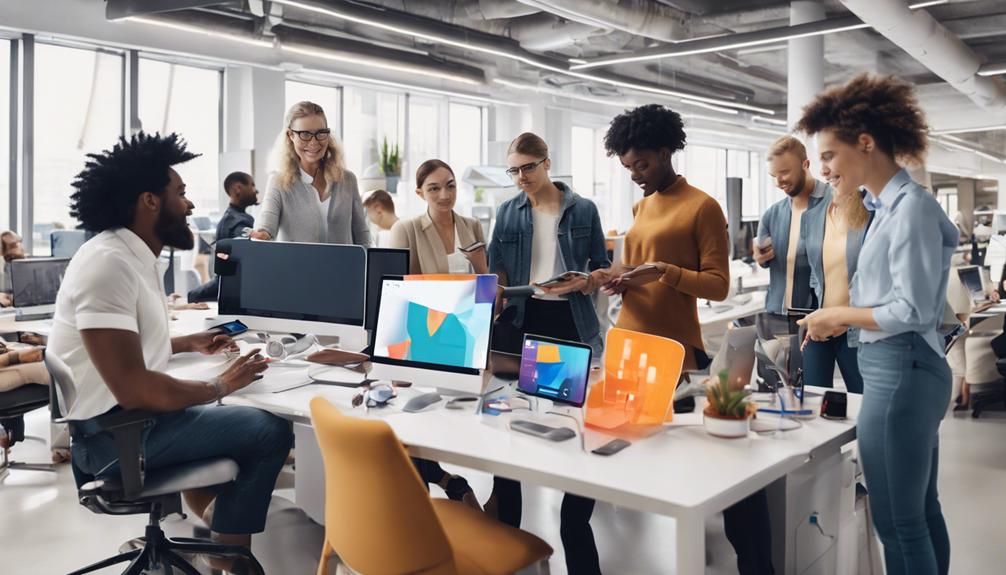
Amid the evolving landscape of modern workplaces, agile workspace designs play a pivotal role in fostering flexibility and adaptability for employees. These designs are characterized by open layouts, movable furniture, and multipurpose areas that cater to various work styles and preferences. By incorporating elements such as adjustable desks, collaborative spaces, and quiet zones, agile work environments enable employees to choose where and how they work most effectively.
One of the key benefits of agile workspace designs is the promotion of collaboration and innovation. These designs break down traditional barriers and hierarchies, encouraging spontaneous interactions and idea-sharing among team members. Additionally, the flexibility offered by agile workspaces allows employees to shift between individual tasks and group projects seamlessly, enhancing productivity and creativity.
Moreover, agile workspace designs contribute to employee satisfaction and well-being by providing options for ergonomic furniture, natural lighting, and greenery. These elements create a more comfortable and inspiring work environment, ultimately boosting morale and motivation. Overall, agile workspace designs are instrumental in creating dynamic and adaptable work settings that support the diverse needs of modern employees.
Work-Life Balance Integration
How can modern workplaces integrate work-life balance effectively through flexible work environments? Achieving work-life balance is a key priority for many employees in today's fast-paced world. By incorporating flexibility into work environments, organizations can support their employees in maintaining a healthy equilibrium between work responsibilities and personal life. Here are some strategies for integrating work-life balance through flexible work environments:
- Implementing remote work options to allow employees to work from home or other locations.
- Offering flexible work hours, such as compressed workweeks or adjusted start and end times.
- Providing access to wellness programs and resources to support employees' physical and mental well-being.
- Encouraging boundaries between work and personal time to prevent burnout and promote overall satisfaction.
Employee Upskilling Initiatives
In response to rapid technological advancements, many companies are implementing employee upskilling initiatives to ensure their workforce remains competitive and adaptable in the evolving job market. Upskilling refers to the process of teaching current employees new skills or enhancing existing ones to meet the changing demands of their roles and the industry. These initiatives are essential for employees to stay relevant, boost productivity, and drive innovation within the organization.
Employee upskilling initiatives come in various forms, such as workshops, training programs, online courses, mentorship opportunities, and certifications. By investing in upskilling, companies demonstrate their dedication to employee growth and development while ensuring a future-ready workforce. These initiatives also help in fostering a culture of continuous learning and improvement within the organization.
Moreover, upskilling initiatives have a direct impact on employee engagement and retention. When employees see that their employer is committed to helping them grow professionally, they are more likely to feel valued and motivated to contribute effectively. This, in turn, can lead to higher job satisfaction levels and lower turnover rates.
Importance of Data Analytics
As companies invest in employee upskilling initiatives to adapt to technological advancements, the importance of data analytics in modern workplaces becomes increasingly evident. Data analytics plays a pivotal role in shaping business strategies, enhancing decision-making processes, and driving overall performance. Here are four key reasons highlighting the significance of data analytics in today's work environments:
- Insightful Decision-Making: Data analytics provides valuable insights into various aspects of the business, enabling leaders to make informed decisions based on data-driven evidence rather than intuition alone.
- Enhanced Efficiency: By analyzing data, organizations can identify inefficiencies in processes, optimize workflows, and streamline operations to improve overall efficiency and productivity.
- Personalized Customer Experiences: Data analytics allows companies to understand customer behavior, preferences, and trends, enabling them to tailor products and services to meet individual needs effectively.
- Predictive Capabilities: Through data analytics, businesses can forecast trends, anticipate market changes, and proactively address challenges, giving them a competitive edge in dynamic industries.
Frequently Asked Questions
How Can Companies Ensure Work-Life Balance in Technology-Driven Workplaces?
In today's technology-driven workplaces, companies can maintain work-life balance by promoting flexible working hours, encouraging employees to take breaks, setting boundaries for after-hours communication, and providing resources for mental health and well-being. By fostering a culture that values work-life balance, organizations can improve employee satisfaction, productivity, and retention. It is essential for companies to prioritize the well-being of their employees to create a healthy and sustainable work environment.
What Ethical Considerations Are Important in Implementing AI in Work Settings?
When implementing AI in work settings, ethical considerations are paramount. It's essential to address issues like data privacy, bias, transparency, and accountability. Companies must guarantee that AI systems are designed and used in ways that respect individual rights and values. Promoting fairness, diversity, and inclusivity in AI applications can help mitigate potential ethical dilemmas and foster a more ethical work environment. Ethical guidelines and regular audits are vital to ensure responsible implementation of AI technologies.
Are There Any Potential Health Risks Associated With Increased Virtual Collaboration?
Exploring the digital world can be a double-edged sword, as increased virtual collaboration may pose potential health risks. Prolonged screen time and decreased face-to-face interaction can lead to eyestrain, musculoskeletal issues, and feelings of isolation. Employers must prioritize employee well-being by promoting ergonomic workstations, encouraging breaks, and fostering a healthy balance between virtual and in-person interactions to mitigate these health concerns associated with the shift towards virtual collaboration.
How Can Organizations Address the Digital Skills Gap Among Employees?
To address the digital skills gap among employees, organizations can implement training programs tailored to enhance digital literacy. Offering online courses, workshops, and mentorship opportunities can help employees upskill and adapt to technological advancements. Creating a culture that values continuous learning and providing access to resources like e-learning platforms can empower employees to develop the necessary digital competencies to thrive in the evolving digital landscape.
What Impact Does Augmented Reality Have on Employee Creativity and Innovation?
Augmented reality serves as a painter's palette, infusing workplaces with a spectrum of creative possibilities. By overlaying digital elements onto the physical environment, AR stimulates employee imagination, fostering innovative thinking and problem-solving. This immersive technology not only enhances collaboration but also provides a platform for experimentation, enabling teams to explore unconventional ideas and push the boundaries of traditional thinking, ultimately leading to groundbreaking solutions and heightened creativity in modern workplaces.