Innovative technology in education enhances learning by providing personalized, engaging, and collaborative experiences, catering to diverse student needs. Evolution of tools like interactive whiteboards and online platforms offer immersive learning opportunities. Benefits include increased engagement, access to vast resources, and streamlined assessments. Challenges like the digital divide and educator training require attention for successful implementation. Personalized learning delivers tailored content, immediate feedback, and individualized support. Students are prepared for future careers through hands-on experiences, skill development, and exposure to emerging technologies. Discover more about the impact of tech on education for a deeper insight into its advantages.
The Evolution of EdTech Tools
The evolution of educational technology tools has revolutionized the way students learn and teachers instruct in modern classrooms. From the introduction of basic tools like overhead projectors to the current era of interactive whiteboards, online learning platforms, and virtual reality simulations, educational technology has come a long way in enhancing the learning experience.
Initially, educational technology tools were limited to aiding teachers in delivering content more effectively. However, with advancements in technology, these tools have transformed into interactive platforms that cater to diverse learning styles. For instance, students can now engage in gamified learning activities that make education more immersive and enjoyable.
The integration of edtech tools has also opened up avenues for personalized learning. Adaptive learning software can analyze student performance data to provide customized learning pathways tailored to individual needs. This level of personalization allows students to progress at their own pace and receive targeted support where necessary.
Furthermore, the evolution of edtech tools has facilitated collaboration beyond the physical boundaries of the classroom. Students can now engage in real-time discussions with peers from around the world, participate in group projects using cloud-based platforms, and receive feedback from teachers remotely.
Benefits of Tech Integration
Enhancing the learning environment through technology integration offers numerous advantages for both students and educators alike. By incorporating tech tools into educational settings, a wide array of benefits can be realized:
- Increased Engagement: Technology can make learning more interactive and engaging for students, leading to higher motivation levels and improved participation in classroom activities.
- Personalized Learning: Tech integration allows for personalized learning experiences, catering to individual student needs and learning styles for enhanced comprehension and retention.
- Access to Resources: Through technology, students and educators gain access to a wealth of online resources, including educational websites, digital libraries, and interactive simulations, expanding learning opportunities beyond traditional textbooks.
- Enhanced Collaboration: Tech tools facilitate collaboration among students through online platforms, enabling them to work together on projects, share ideas, and provide feedback in real-time, fostering teamwork skills.
- Efficient Assessment: Technology streamlines the assessment process by providing instant feedback on quizzes, assignments, and exams, allowing educators to track student progress more effectively and make data-driven instructional decisions.
Overcoming Challenges in Implementation
Exploring the terrain of implementing technology in educational settings presents a set of challenges that require strategic planning and thoughtful consideration. One significant challenge is the digital divide, where disparities in access to technology exist among students based on factors like income levels or geographic location. Bridging this gap requires initiatives such as providing devices and ensuring internet connectivity for all students.
Another obstacle is the importance of change from educators who may be hesitant to adopt new technologies due to a lack of training or fear of disrupting established teaching methods. Overcoming this challenge involves offering extensive professional development opportunities and demonstrating the benefits of technology integration through success stories and research-based evidence.
Additionally, ensuring data privacy and security when implementing technology in education is essential. Schools must navigate the complex landscape of compliance with regulations like the Family Educational Rights and Privacy Act (FERPA) to safeguard student information.
Moreover, the sustainability of technology integration poses a challenge, as schools need to take into account factors like maintenance costs, software updates, and technical support. Developing long-term plans and partnerships with technology providers can help address these concerns. Staying informed about tech investment trends allows schools to make strategic decisions regarding resource allocation and future upgrades. By analyzing these trends, institutions can identify cost-effective solutions that ensure the longevity of their technological infrastructure. Additionally, fostering a culture of continuous learning among educators and staff can maximize the benefits of these investments.
Personalized Learning Experiences
Incorporating personalized learning experiences in educational settings revolutionizes traditional teaching methods by tailoring instruction to individual student needs and preferences. This approach acknowledges that each student learns differently, and customization can lead to more effective learning outcomes. Personalized learning experiences offer a range of benefits, including:
- Flexible Pace: Students can learn at their own speed, allowing for mastery of concepts before progressing.
- Customized Content: Tailoring material based on student interests and proficiency levels enhances engagement and understanding.
- Varied Learning Modalities: Incorporating visual, auditory, and kinesthetic elements caters to diverse learning styles.
- Immediate Feedback: Real-time assessment and feedback mechanisms enable students to track their progress and address misconceptions promptly.
- Individualized Support: Personalized learning allows for one-on-one guidance and support, fostering a more conducive learning environment.
Preparing Students for Future Careers
In today's rapidly evolving landscape, equipping students with the necessary skills and knowledge to thrive in future careers is imperative. The integration of technology in education plays a pivotal role in preparing students for the dynamic job market they will encounter upon graduation. By leveraging tech tools and resources, educators can provide students with practical experiences and relevant skills that align with the demands of modern industries.
One way technology can assist in preparing students for future careers is through the implementation of virtual internships and simulations. These platforms allow students to gain hands-on experience in a simulated work environment, helping them develop problem-solving abilities, critical thinking skills, and teamwork collaboration – all essential competencies sought after by employers.
Additionally, personalized learning paths supported by technology enable students to focus on areas of interest and enhance their strengths, ultimately guiding them towards career paths that align with their passions and aptitudes. Through adaptive learning platforms, students can receive tailored feedback and guidance, ensuring they acquire the necessary competencies required for their chosen career fields.
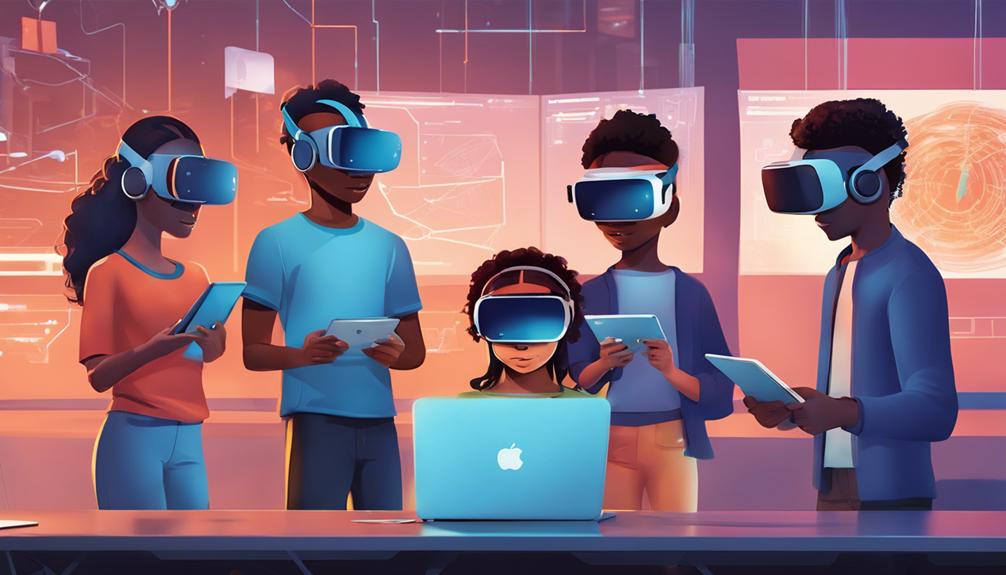
Furthermore, the integration of emerging technologies such as artificial intelligence and virtual reality in educational settings equips students with technical skills that are highly valued in today's job market. By familiarizing students with these technologies early on, educational institutions can better prepare them for the digital-centric workplaces of the future.
Frequently Asked Questions
How Can Teachers Ensure Student Data Privacy With Tech Integration?
Teachers can safeguard student data privacy with tech integration by implementing robust security measures and adhering to data protection regulations. Compliance with laws like GDPR and FERPA is essential. One interesting statistic is that in a survey, 90% of parents expressed concerns about their children's online privacy. This highlights the importance of protecting student data and building trust with stakeholders through transparent communication and secure digital practices.
What Are the Best Practices for Engaging Parents in Personalized Learning?
Engaging parents in personalized learning involves open communication, collaboration, and involvement in their child's educational journey. Encouraging parent participation through regular updates, progress reports, and opportunities for feedback can foster a supportive environment. Providing resources for parents to understand personalized learning methods and how they can contribute to their child's success is essential. Building strong relationships between educators and parents creates a cohesive partnership focused on the student's academic growth and development.
Which Stakeholders Should Be Involved in Overcoming Implementation Challenges?
To overcome implementation challenges, key stakeholders should be involved in the process. This includes administrators, teachers, students, parents, and community members. Each stakeholder brings a unique perspective and expertise that can contribute to successful implementation strategies. Collaboration among these groups is essential to address challenges effectively and make certain that the implementation of any new initiative in education is well-planned and executed.
What Are the Most In-Demand Tech Skills for Future Careers?
In the rapidly evolving landscape of future careers, the most in-demand tech skills include programming languages like Python and Java, data analysis utilizing tools such as SQL and Tableau, cloud computing expertise with platforms like AWS and Azure, as well as proficiency in cybersecurity and artificial intelligence. According to a recent survey by LinkedIn, these skills are highly sought after by employers across various industries, highlighting the importance of staying updated with technological advancements to remain competitive in the job market.
How Can Schools Address the Digital Divide in Personalized Learning?
Schools can address the digital divide in personalized learning by implementing equitable access to technology for all students. This can involve providing devices and internet connectivity to students in need, offering tech literacy programs, and ensuring that digital resources are integrated into the curriculum. Collaboration with community organizations and leveraging government initiatives can also help bridge the gap and create a more inclusive learning environment for all students.