Wearable technology has transformed healthcare, from simple step counters to advanced medical devices providing real-time monitoring and personalized care. Fitness trackers now monitor heart rate, sleep quality, and GPS locations. Smart fabrics track essential signs, aiding chronic patients' comfort and compliance. Remote patient monitors offer continuous health tracking outside clinics, fostering patient empowerment and saving resources. Wearable ECG monitors guarantee cardiac health with remote real-time data access. Health-tracking smartwatches conveniently monitor various metrics, integrating seamlessly into daily life. This innovation promises a future where medical wearables further revolutionize personalized healthcare.
Evolution of Fitness Trackers
The evolution of fitness trackers has revolutionized the way individuals monitor and manage their physical activity levels. Initially designed as simple step counters, modern fitness trackers have evolved to incorporate a wide array of features that provide users with extensive insights into their health and fitness metrics.
One of the key advancements in fitness trackers is the integration of heart rate monitoring technology. By accurately tracking heart rate throughout the day and during exercise, users can better understand their cardiovascular health and optimize their workouts for improved performance. Additionally, many fitness trackers now offer sleep tracking capabilities, allowing users to monitor the quality and duration of their sleep, which is essential for overall health and well-being.
Moreover, the incorporation of GPS technology in fitness trackers enables users to track their outdoor activities with precision, mapping out routes and monitoring distance traveled. This feature is particularly beneficial for runners, cyclists, and hikers who want to accurately track their workouts and set new goals for themselves.
Furthermore, advancements in software and mobile applications have enhanced the user experience of fitness trackers, allowing for seamless data synchronization, goal setting, and social sharing. These features not only motivate users to stay active but also foster a sense of community and healthy competition.
Smart Fabrics in Healthcare
Advancements in wearable technology have extended beyond fitness tracking to include the development of smart fabrics in healthcare applications, revolutionizing the way healthcare data is collected and monitored. Smart fabrics are textiles embedded with sensors and other electronic components that can monitor various physiological parameters in real-time. These fabrics have the potential to enhance patient comfort and compliance with monitoring protocols, as they can be seamlessly integrated into everyday clothing.
One key benefit of smart fabrics in healthcare is their ability to continuously monitor vital signs such as heart rate, respiratory rate, and body temperature. This continuous monitoring can provide healthcare professionals with a more detailed and accurate picture of a patient's health status, enabling early detection of potential issues and timely intervention. Additionally, smart fabrics can also track movement and activity levels, which is especially valuable in post-operative care and rehabilitation settings.
Smart fabrics are particularly promising for patients with chronic conditions who require continuous monitoring outside of traditional healthcare settings. For example, individuals with cardiovascular diseases or respiratory disorders can benefit from wearable garments that provide real-time data to healthcare providers, allowing for personalized treatment plans and remote monitoring. As smart fabric technology continues to evolve, the integration of these innovative textiles into mainstream healthcare practices is expected to improve patient outcomes and revolutionize the delivery of medical care.
Remote Patient Monitoring Devices
How do remote patient monitoring devices revolutionize healthcare delivery in the era of wearable technology? Remote patient monitoring devices play an essential role in transforming healthcare by enabling continuous monitoring of patients outside of traditional healthcare settings. These devices allow healthcare providers to remotely track essential signs, symptoms, and other health data in real-time, providing a more thorough and accurate picture of a patient’s health status. This continuous data collection helps in early detection of potential health issues, allowing for timely medical intervention and reducing hospital readmissions. By integrating remote patient monitoring with wearable technology, healthcare systems can enhance patient engagement and encourage proactive health management. As a result, tech in healthcare advancements empower both patients and providers with real-time insights, leading to more personalized and efficient care.
One of the key advantages of remote patient monitoring devices is their ability to facilitate proactive and personalized care. By collecting and analyzing data continuously, healthcare providers can detect potential health issues early, adjust treatment plans promptly, and intervene before a condition escalates, ultimately leading to better health outcomes.
Moreover, remote patient monitoring devices enhance patient engagement and empowerment. Patients can actively participate in their care by tracking their health metrics and sharing the data with their healthcare providers. This not only fosters a sense of ownership over their health but also promotes adherence to treatment plans and lifestyle modifications.
Additionally, remote patient monitoring devices help optimize healthcare resources by reducing the need for frequent in-person visits and hospitalizations. This not only improves the efficiency of healthcare delivery but also enhances patient convenience and comfort by allowing them to receive care in familiar and comfortable environments.
Wearable ECG Monitors
What impact do wearable ECG monitors have on remote patient monitoring and cardiac health management in the era of wearable technology? Wearable ECG monitors play an essential role in transforming remote patient monitoring and cardiac health management by providing continuous and real-time cardiac monitoring outside of traditional healthcare settings. These devices offer individuals the convenience of monitoring their heart health proactively, enabling early detection of potential issues and facilitating timely medical intervention.
One key advantage of wearable ECG monitors is their ability to track and record the heart's electrical activity over an extended period, offering a more thorough assessment of cardiac function compared to traditional intermittent monitoring methods. This continuous monitoring capability allows healthcare providers to obtain a more detailed and accurate view of a patient's heart health, leading to more personalized and effective treatment plans.
Moreover, wearable ECG monitors enhance remote patient monitoring by enabling healthcare professionals to remotely access and review real-time data, leading to timely interventions and adjustments in treatment plans as needed. This not only improves patient outcomes but also reduces the need for frequent in-person visits, particularly beneficial for individuals with chronic conditions requiring ongoing cardiac monitoring.
Health-Tracking Smartwatches
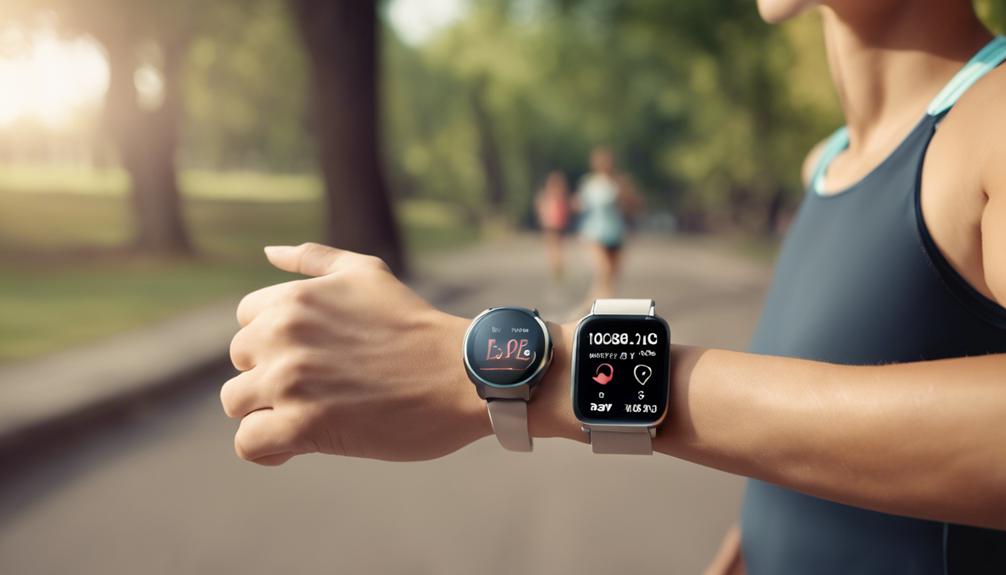
The evolution of wearable technology has expanded beyond specialized devices like ECG monitors to include multifunctional health-tracking smartwatches. Health-tracking smartwatches have become increasingly popular due to their ability to monitor various health metrics conveniently on the wrist. These smartwatches offer features such as heart rate monitoring, sleep tracking, step counting, and even stress tracking. Users can gain insights into their overall health and well-being through continuous monitoring and data collection.
One of the key advantages of health-tracking smartwatches is their seamless integration into daily life. Unlike traditional health monitoring devices, smartwatches are designed to be worn throughout the day, providing continuous data without disrupting the user's routine. This continuous monitoring enables users to track their progress over time and make informed decisions about their health and fitness goals.
Furthermore, health-tracking smartwatches often come equipped with accompanying mobile apps that allow users to analyze their data, set goals, and receive personalized recommendations. These apps can provide valuable insights into trends and patterns, empowering users to take control of their health.
Future of Medical Wearables
The future of medical wearables is poised to revolutionize healthcare through advancements like remote patient monitoring and seamless integration of health data. These innovations will allow for continuous tracking and analysis of patient essential signs and health metrics, enabling timely interventions and personalized treatment plans. By harnessing the power of wearable technology, healthcare providers can enhance patient care, improve outcomes, and ultimately shape the future of medicine.
Remote Patient Monitoring
In the field of medical wearables, the future of remote patient monitoring holds great promise for revolutionizing healthcare delivery. Remote patient monitoring involves the use of wearable devices to track an individual's health data in real-time, allowing healthcare providers to monitor patients outside of traditional clinical settings. These devices can collect essential information such as heart rate, blood pressure, glucose levels, and activity levels, providing valuable insights into a patient's health status and allowing for early intervention in case of any concerning trends.
The benefits of remote patient monitoring are significant. Patients can receive more personalized care, healthcare providers can offer proactive interventions, and overall healthcare costs can potentially be reduced through early detection and prevention of health complications. Additionally, remote patient monitoring can improve patient outcomes by enabling continuous monitoring, especially for individuals with chronic conditions who require frequent check-ups.
As technology continues to advance, the integration of remote patient monitoring into healthcare systems is expected to grow, offering a more efficient and effective way to manage and monitor patients' health remotely.
Health Data Integration
Advancements in medical wearables are paving the way for enhanced health data integration, leading to more thorough and real-time monitoring of patients' well-being. By seamlessly integrating various health data points collected by these wearables, healthcare providers can gain a deep understanding of a patient's health status, enabling personalized and timely interventions.
| Benefits of Health Data Integration |
|---|
| 1. Personalized Medicine |
| 2. Early Disease Detection |
| 3. Improved Treatment Outcomes |
1. Personalized Medicine: By analyzing integrated health data, healthcare professionals can tailor treatment plans to individual patients, considering their unique health metrics and patterns.
2. Early Disease Detection: Continuous monitoring and analysis of integrated health data can help in the early detection of potential health issues, allowing for prompt medical attention and intervention.
3. Improved Treatment Outcomes: With a holistic view of a patient's health data, healthcare providers can optimize treatment strategies, leading to better outcomes and improved overall well-being.
Frequently Asked Questions
Are Wearable ECG Monitors Safe for Everyday Use?
Wearable ECG monitors are generally safe for everyday use when they are properly designed, validated, and used according to manufacturer instructions. These devices can provide valuable insights into heart health and can be particularly beneficial for individuals at risk of heart conditions. However, as with any medical device, potential risks should be considered, and users should consult healthcare professionals for guidance on appropriate usage and interpretation of data.
Can Health-Tracking Smartwatches Accurately Measure Stress Levels?
Exploring the domain of health-tracking smartwatches raises the question of accurately measuring stress levels. These devices, equipped with sensors and algorithms, aim to provide insights into users' physiological responses. However, their efficacy in gauging stress levels remains a subject of scrutiny. It's important to assess the reliability and validity of these measurements, as stress is a multifaceted concept influenced by various factors. Proceeding with caution can help users make informed decisions about their well-being.
How Do Remote Patient Monitoring Devices Ensure Data Privacy?
Remote patient monitoring devices guarantee data privacy through encryption, secure data storage, and compliance with healthcare regulations such as HIPAA. By implementing robust security measures, including data encryption during transmission and storage, these devices protect patient information from unauthorized access. Additionally, strict access controls, regular security audits, and adherence to industry standards contribute to maintaining the confidentiality and integrity of patient data, thereby ensuring privacy in remote monitoring scenarios.
Are Smart Fabrics in Healthcare Machine Washable?
Smart fabrics in healthcare are not just machine washable; they are revolutionizing patient care. These advanced textiles can monitor essential signs, administer medication, and even track the progression of diseases, all while seamlessly integrating into our everyday lives. The ability to withstand multiple wash cycles guarantees durability and hygiene, making smart fabrics a practical and innovative solution for the future of healthcare technology.
Will Future Medical Wearables Be Compatible With All Devices?
Future medical wearables are likely to be designed with compatibility in mind to guarantee seamless integration with a wide range of devices. This approach will enhance user experience and promote widespread adoption of these technologies in healthcare settings. By prioritizing compatibility with various platforms and devices, manufacturers can cater to different user preferences and facilitate better data sharing and analysis for improved patient outcomes.