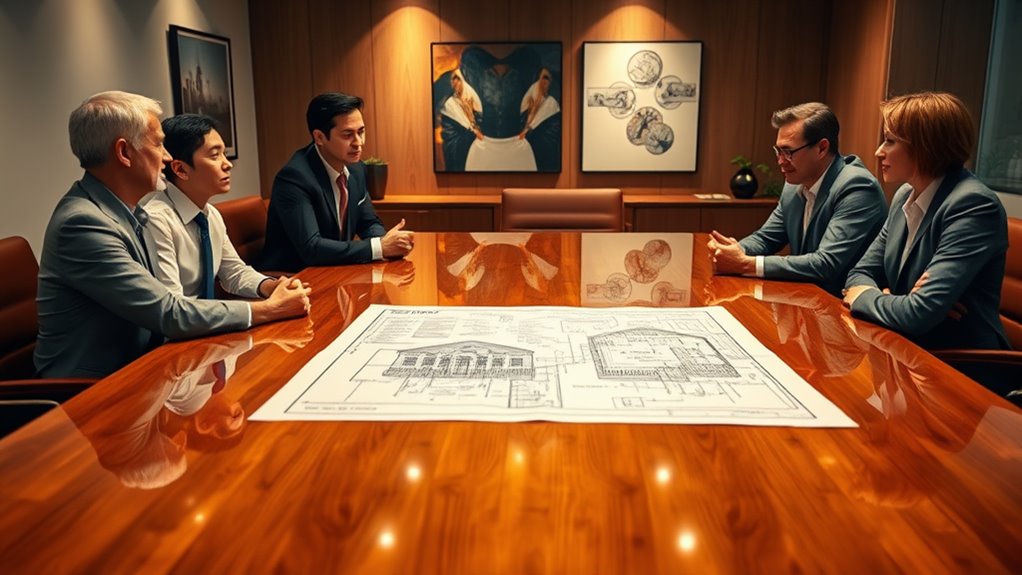
Negotiating like a pro in real estate deals involves a strategic blend of market comprehension and effective communication. It's crucial to grasp the property's market value and prepare competitive offers based on thorough research of current trends. Building rapport with the seller nurtures trust and collaboration, as emotional control allows one to maintain professionalism. Flexibility with terms can lead to mutually beneficial agreements. Acquiring these skills will improve negotiation outcomes and pave the way for successful transactions. Explore further techniques to boost success.
Understand the Market Value
Comprehending market value is vital for anyone involved in real estate negotiations. A firm grasp of this concept empowers individuals to make informed decisions and assert control over the negotiation process. Effective market valuation techniques, such as comparative market analysis, assist in determining a property's worth by analyzing similar properties in the area. This allows negotiators to establish a competitive edge by substantiating their offers with data-driven insights.
Moreover, grasping various property appraisal methods is fundamental. Approaches like the income approach and the cost approach provide valuable perspectives on property valuation, ensuring that negotiators can evaluate assets from multiple angles. Armed with this knowledge, real estate professionals can confidently navigate discussions, challenge inflated valuations, and advocate for favorable terms. In the end, mastering market value not just improves negotiation outcomes but also promotes long-term success in real estate transactions, reinforcing a sense of control that savvy negotiators seek.
Build Rapport With the Seller
Building rapport with the seller is crucial for successful negotiations in real estate deals. Establishing common interests, practicing active listening, and demonstrating genuine interest can greatly improve the relationship. These strategies cultivate trust and create a more collaborative negotiation environment.
Establish Common Interests
Establishing common interests is crucial in creating a productive dialogue with the seller. By identifying mutual benefits and shared goals, a negotiator can cultivate an environment conducive to agreement. The following strategies can facilitate this process: One effective approach is to actively listen and ask open-ended questions that reveal the seller’s priorities. This not only builds rapport but also helps in aligning your objectives with theirs. Additionally, applying negotiation techniques in competitive markets, such as emphasizing long-term collaboration and highlighting unique value propositions, can strengthen your position and lead to mutually beneficial outcomes.
- Research Seller's Needs: Understand what the seller values most in the transaction.
- Highlight Mutual Gains: Clearly articulate how both parties can benefit from the deal.
- Establish Trust: Build credibility by being transparent about intentions and expectations.
- Find Overlapping Interests: Identify areas where interests align, creating a foundation for negotiation.
Use Active Listening
Active listening plays a significant role in cultivating rapport with the seller, enhancing the likelihood of a successful negotiation. Engaging in active engagement allows negotiators to grasp the seller's perspectives and concerns fully. By utilizing reflective feedback, they can confirm their comprehension and demonstrate attentiveness, promoting a sense of respect and collaboration. This approach not only conveys confidence but additionally encourages openness from the seller, who may become more willing to share important information. As trust builds through active listening, negotiators can better identify areas for compromise and find mutually beneficial solutions. Ultimately, excelling at active listening is a strategic advantage, positioning the negotiator to steer the conversation toward favorable outcomes whilst maintaining control of the negotiation process.
Show Genuine Interest
How can a negotiator effectively show genuine interest in a real estate deal? By nurturing rapport with the seller through genuine curiosity and authentic engagement. A skillful negotiator can improve their approach by focusing on the following strategies:
- Ask Thoughtful Questions: Inquire about the seller's motivations and experiences related to the property.
- Listen Attentively: Demonstrate engagement by actively listening to the seller's responses, reflecting on their concerns.
- Share Personal Insights: Relate personal experiences that resonate with the seller's situation, building a connection.
- Follow Up: After initial discussions, reach out with a personalized message that acknowledges previous conversations.
Prepare Your Offer Strategically
Preparing an offer strategically involves careful analysis of current market trends and setting clear priorities. Comprehending the local market dynamics can considerably influence the attractiveness of an offer. Furthermore, establishing what is most important in the deal helps in crafting a proposal that aligns with both buyer and seller expectations.
Research Market Trends
Comprehending current market trends is crucial for anyone looking to make a competitive offer in real estate. A thorough market analysis and effective trend forecasting can empower buyers and sellers alike. To navigate this complex environment, individuals should consider the following steps:
- Analyze comparable sales in the area to understand pricing dynamics.
- Monitor local economic indicators that could impact property values.
- Track seasonal fluctuations to time offers strategically.
- Review historical trends to predict future market shifts.
Set Clear Priorities
Setting clear priorities is essential for anyone looking to negotiate effectively in real estate deals. By defining what aspects of a deal matter most, negotiators can employ focused negotiation tactics that lead to successful outcomes. Priority alignment guarantees that both parties understand what is non-negotiable and where flexibility exists.
| Priority Aspect | Importance Level |
|---|---|
| Price | High |
| Closing Timeline | Medium |
| Repairs and Upgrades | Low |
| Contingencies | Medium |
Use Effective Communication Techniques
How can effective communication techniques improve the negotiation process in real estate deals? Mastering communication is crucial for professionals seeking to maintain control and achieve favorable outcomes. By employing persuasive techniques and being attuned to nonverbal cues, negotiators can greatly improve their effectiveness.
Key strategies include:
- Active Listening: Demonstrating genuine interest in the other party's concerns nurtures trust and opens avenues for collaboration.
- Clear Articulation: Clearly expressing one's needs and objectives reduces misunderstandings, allowing for smoother negotiations.
- Positive Body Language: Maintaining eye contact and an open posture conveys confidence and receptiveness, influencing the negotiation atmosphere.
- Strategic Questioning: Asking targeted questions can reveal underlying motivations, enabling negotiators to tailor their approach effectively.
Know Your Limits and Be Ready to Walk Away
Effective communication techniques lay a strong foundation for successful negotiations, but knowing one's limits is equally important in the real estate arena. Limit setting empowers negotiators to define their boundaries clearly, guaranteeing they do not become entangled in unfavorable deals. Establishing these limits involves evaluating financial constraints, property values, and personal goals.
A negotiator must remain steadfast; being ready to walk away from a deal that exceeds these limits demonstrates confidence and control. This readiness communicates to the other party that the negotiator values their own position and will not compromise unduly. Walking away can additionally create leverage, as it signals a willingness to seek alternative opportunities. Ultimately, successful negotiators understand that maintaining control over their boundaries is crucial, enabling them to navigate real estate transactions with clarity and purpose. By mastering limit setting, they improve their negotiation strategy and guarantee favorable outcomes.
Leverage Competing Offers
Utilizing competing offers can greatly boost a negotiator's position in real estate transactions. By strategically presenting multiple offers, a negotiator can create urgency and leverage in the negotiation process. Here are four key strategies for effectively managing competing offers:
- Gather Information: Understand the strengths and weaknesses of each offer to improve negotiation leverage.
- Communicate Value: Clearly articulate the merits of each competing offer during the offer presentation, emphasizing favorable terms.
- Set Deadlines: Create a sense of urgency by establishing deadlines for offers, motivating buyers to submit their best terms.
- Negotiate Terms: Use competing strategies to negotiate not just price, but also contingencies, closing timelines, and other critical elements.
Stay Calm and Professional
In real estate negotiations, maintaining composure is crucial for success. By controlling emotions and presenting a professional demeanor, negotiators can cultivate a constructive dialogue. Moreover, practicing active listening helps to guarantee that all parties feel heard, paving the way for mutual comprehension and agreement.
Control Your Emotions
Negotiation in real estate often hinges on emotional intelligence, with the ability to remain calm and professional serving as a crucial advantage. Controlling emotions not just improves decision-making but also cultivates trust and respect among parties. Here are four strategies to manage stress effectively during negotiations:
- Preparation: Anticipating potential challenges can reduce anxiety and increase confidence.
- Mindfulness: Practicing mindfulness techniques can help maintain focus and clarity.
- Breathing Techniques: Utilizing deep breathing can mitigate physiological stress responses.
- Perspective Shift: Viewing negotiations as collaborative rather than combative can promote a constructive atmosphere.
Maintain Professional Demeanor
Maintaining a professional demeanor is crucial during real estate negotiations, as it consistently promotes a positive environment. Exhibiting emotional intelligence allows negotiators to navigate discussions effectively, nurturing trust and collaboration. Professional attire further improves this image, signaling seriousness and respect for the process.
| Key Aspects | Importance |
|---|---|
| Emotional Intelligence | Facilitates comprehension |
| Professional Attire | Establishes credibility |
| Calm Communication | Reduces tension |
| Respectful Engagement | Builds rapport |
Practice Active Listening
Active listening plays a pivotal role in real estate negotiations, complementing the professional demeanor established earlier. By employing active listening techniques, negotiators can better comprehend the other party's needs and objectives. This approach cultivates trust and opens pathways for effective questioning, enabling more strategic responses.
To leverage the strength of active listening, consider the following:
- Maintain Eye Contact: Demonstrates engagement and respect.
- Paraphrase Key Points: Confirms comprehension and clarifies intentions.
- Ask Open-Ended Questions: Encourages detailed responses and reveals underlying concerns.
- Avoid Interrupting: Allows the speaker to express themselves fully, enhancing the overall dialogue.
Be Flexible With Terms and Conditions
Even though it may be tempting to adhere strictly to initial terms, being flexible with terms and conditions can considerably improve the likelihood of a successful real estate deal. Negotiators who remain open to creative concessions often uncover alternative solutions that benefit both parties. This adaptability promotes a collaborative atmosphere, allowing for a more productive dialogue.
For instance, if a buyer is interested in a property but finds the price prohibitive, a seller might consider adjusting the closing date or including certain furnishings as part of the deal. Such flexibility can lead to a win-win situation, enhancing the overall satisfaction of both parties involved.
In real estate negotiations, the ability to pivot and explore various options demonstrates strength and control. In the end, a willingness to adapt can not only facilitate agreement but likewise safeguard long-term relationships, setting the stage for future transactions.
Ask for Repairs or Credits
When maneuvering real estate negotiations, buyers can markedly improve their position by requesting repairs or credits. This approach not only showcases assertiveness but also guarantees that the property meets their standards. By leveraging repair estimates, buyers can effectively argue for either necessary repairs or suitable credit options.
To improve their negotiation strategy, buyers should consider the following steps:
- Conduct a thorough inspection to identify key repair needs.
- Gather repair estimates from qualified contractors to substantiate requests.
- Present a clear list of issues to the seller, emphasizing their potential impact on property value.
- Negotiate credit options as an alternative to repairs, offering flexibility to the seller while guaranteeing buyer satisfaction.
Don't Rush the Process
In real estate negotiations, taking the time to carefully consider each step can greatly influence the outcome of a deal. Rushing the process often leads to missed opportunities and unfavorable terms. A patience strategy allows negotiators to weigh their options, assess market conditions, and gauge the motivations of the other party. This deliberate approach not only demonstrates confidence but also establishes a commanding presence in discussions.
Timing importance cannot be overstated; comprehending when to push forward and when to hold back can be pivotal. Each pause taken during negotiations serves as a chance to reflect and recalibrate strategies, ensuring that decisions are made with clarity and purpose. By resisting the urge to hastily conclude negotiations, one can maintain control over the process, eventually leading to more favorable results. Emphasizing patience is key to mastering the art of negotiation in real estate deals.
Follow Up After the Negotiation
Following up after a negotiation is crucial for solidifying agreements and maintaining relationships. Effective post-negotiation communication can improve credibility and guarantee all parties are aligned. Employing strategic follow-up strategies can facilitate this process, securing clarity in future dealings.
- Send a Thank-You Note: Acknowledge the other party's time and effort, reinforcing a positive rapport.
- Summarize Key Points: Recap the main agreements to prevent misunderstandings and confirm everyone is on the same page.
- Set Future Touchpoints: Schedule follow-up meetings or calls to discuss progress and address any lingering concerns.
- Request Feedback: Encourage input on the negotiation process, demonstrating openness to improvement and nurturing a collaborative environment.
Frequently Asked Questions
What Role Does Body Language Play in Negotiations?
Body language greatly influences negotiations, with studies indicating that up to 93% of communication effectiveness stems from non-verbal cues. Participants who maintain steady eye contact demonstrate confidence and build trust, whereas a confident posture can project authority and assertiveness. These elements create an atmosphere conducive to successful discussions. Comprehending and mastering these aspects of body language can empower individuals to strengthen their negotiating stance and improve their overall effectiveness in securing desired outcomes.
How Can I Handle Difficult or Emotional Sellers?
Handling difficult or emotional sellers requires a strategic approach. Employing emotional empathy allows one to understand the seller's feelings, creating a more conducive atmosphere for dialogue. Coupled with active listening, it guarantees that the seller feels heard and valued. By acknowledging their concerns without becoming emotionally involved, a negotiator can maintain control of the conversation, guiding it in the direction of a mutually beneficial outcome during the preservation of the seller's dignity and emotional state.
Should I Disclose My Budget to the Seller?
The question of whether to disclose a budget to the seller raises important considerations. Budget transparency can cultivate trust, yet it may likewise weaken one's negotiating position. By revealing financial limits, a buyer might inadvertently compromise their leverage. Effective negotiation tactics often involve maintaining a level of ambiguity regarding finances, allowing for flexibility in offers. In the end, the decision hinges on the buyer's strategy, balancing openness with the desire for control in the negotiation process.
What Strategies Work Best for Negotiating With Real Estate Agents?
Ironically, the key to outsmarting a real estate agent often lies in embracing their expertise rather than resisting it. By evaluating price flexibility and employing effective negotiation tactics, one can gain a sense of control in the transaction. Establishing rapport, comprehending market dynamics, and strategically presenting offers can tip the scales. In the end, it's about leveraging knowledge and confidence to create an environment where both parties feel they can achieve their goals.
How Do I Know When to Accept a Counteroffer?
Determining when to accept a counteroffer involves careful counteroffer evaluation based on established acceptance criteria. One must analyze the terms, considering both financial implications and personal priorities. If the counteroffer aligns with one's goals and meets or exceeds expectations, it could signify a favorable opportunity. Moreover, evaluating market conditions and the potential for further negotiations helps guarantee that the decision empowers the individual, maintaining a sense of control in the transaction process.